
Blog
Gstaad Ski Season Travel Tips
Gstaad is one of Switzerland’s most refined winter destinations, and ski season is the best time to experience its mix of reliable snow, alpine scenery, and luxury atmosphere. Whether you are visiting for skiing, a romantic winter escape, a family holiday, or a high-end mountain retreat, the right travel planning can make the difference between a good trip and a memorable one.
The appeal of Gstaad is not only the skiing itself, but the overall winter experience. The village feels polished, elegant, and calm, with scenic mountain access, excellent hotels, and a strong reputation for premium service. For travelers who want a winter destination that combines sport and sophistication, Gstaad is an excellent choice.
This guide gives you practical travel tips for the ski season, including the best time to go, how to get there, what to pack, how to plan your days, and how to enjoy Gstaad in comfort.
1. Why Gstaad Is Worth Visiting in Winter
Gstaad stands out because it offers a winter experience that feels both exclusive and relaxed. Unlike larger and busier ski resorts, it has a more intimate atmosphere, which appeals to travelers who value privacy, space, and quality over crowds. The village is also known for its elegant hotels, upscale restaurants, and scenic surroundings, which give the area a distinct luxury identity.
Another reason Gstaad is popular in winter is its versatility. It works well for strong skiers, beginners, non-skiers, couples, and families. Some visitors come mainly for the slopes, while others prefer the spa culture, shopping, dining, and mountain views. That flexibility makes it easy to design a trip that suits your style.
The destination also has a polished, international feel without losing its alpine charm. You still get the beauty of the Swiss mountains, but with a calmer pace than some of the more intense resort towns. For many travelers, that balance is exactly what makes Gstaad special.
2. Best Time for Ski Season
The ski season in Gstaad is usually strongest in the winter months, especially from December through March. During that period, you are most likely to find the classic winter conditions that visitors expect, along with a strong alpine atmosphere and active resort life. If your main goal is skiing, this is the safest window to plan around.
January and February are often the best choices for reliable winter conditions. These months usually offer the most consistent ski atmosphere, though they can also be busier and more expensive. If you prefer a slightly quieter experience, early December or March can still be excellent, depending on snowfall and the exact mountain conditions.
For travelers who want to avoid peak holiday traffic, shoulder periods can be a smart compromise. You may enjoy better hotel availability and a more peaceful village while still getting a quality ski experience. The right month depends on whether you care more about perfect snow, lower crowds, or better pricing.
3. How to Reach Gstaad Easily
Getting to Gstaad is part of the trip experience, and there are several ways to arrive depending on your comfort level and itinerary. Many travelers use the scenic train route, which is known for its beautiful views and smooth Swiss organization. Gstaad is directly on the GoldenPass line, making rail travel a popular and attractive option for visitors who enjoy mountain scenery on the way in.
That said, winter travel with skis, luggage, and family members can become complicated if you want to move quickly and comfortably. A private car transfer is often the easiest solution because it takes you directly from airport, hotel, or city to your destination without station changes or extra handling. In winter, that convenience matters even more because snow and cold can make public transfers less pleasant.
If you are coming from Geneva, Zürich, or another Swiss city, it is often worth booking transport in advance. This helps ensure a smooth arrival, especially if your flight lands late or your ski week begins on a tight schedule. The less stress you have on arrival, the sooner you can start enjoying the mountains.
4. What to Pack for Gstaad Ski Travel
Packing for Gstaad in winter should focus on warmth, comfort, and flexibility. The weather in the Alps can change quickly, so layered clothing is much more effective than relying on a single heavy outfit. A good winter wardrobe should include thermal base layers, insulated mid-layers, waterproof outerwear, gloves, warm socks, and sturdy footwear for snow and ice.
If you ski, make sure you have the right equipment or arrange rentals in advance. Many visitors prefer renting skis, boots, or snowboards locally rather than traveling with bulky gear. If you bring your own equipment, use a strong travel bag and plan your transfer carefully so the luggage does not become a burden.
Do not forget smaller items that improve comfort on the slopes. Sunglasses or goggles, sunscreen, lip balm, and a reusable water bottle are all useful during the ski season. Mountain sun can be surprisingly strong, even in cold weather, so protection matters as much as warmth.
5. Where to Stay in Gstaad
Accommodation in Gstaad ranges from elegant luxury hotels to more practical chalet-style stays, and your choice should depend on the type of trip you want. If you are traveling for a high-end winter holiday, a premium hotel or private chalet can significantly enhance your stay. These properties often include spa facilities, concierge service, fine dining, and direct access to the refined atmosphere Gstaad is known for.
Location is also important. Staying close to the village center gives you easier access to restaurants, shops, and evening strolls, while a mountain-side property may give you a more secluded and scenic feel. Families often prefer convenience and easy transport access, while couples may prioritize views, privacy, and spa amenities.
Because Gstaad is a sought-after winter destination, booking early is wise. The best rooms and chalets tend to go quickly during peak ski weeks and holiday periods. Planning ahead gives you better options and can also help you secure a location that suits both skiing and relaxation.
6. Skiing Tips for a Better Experience
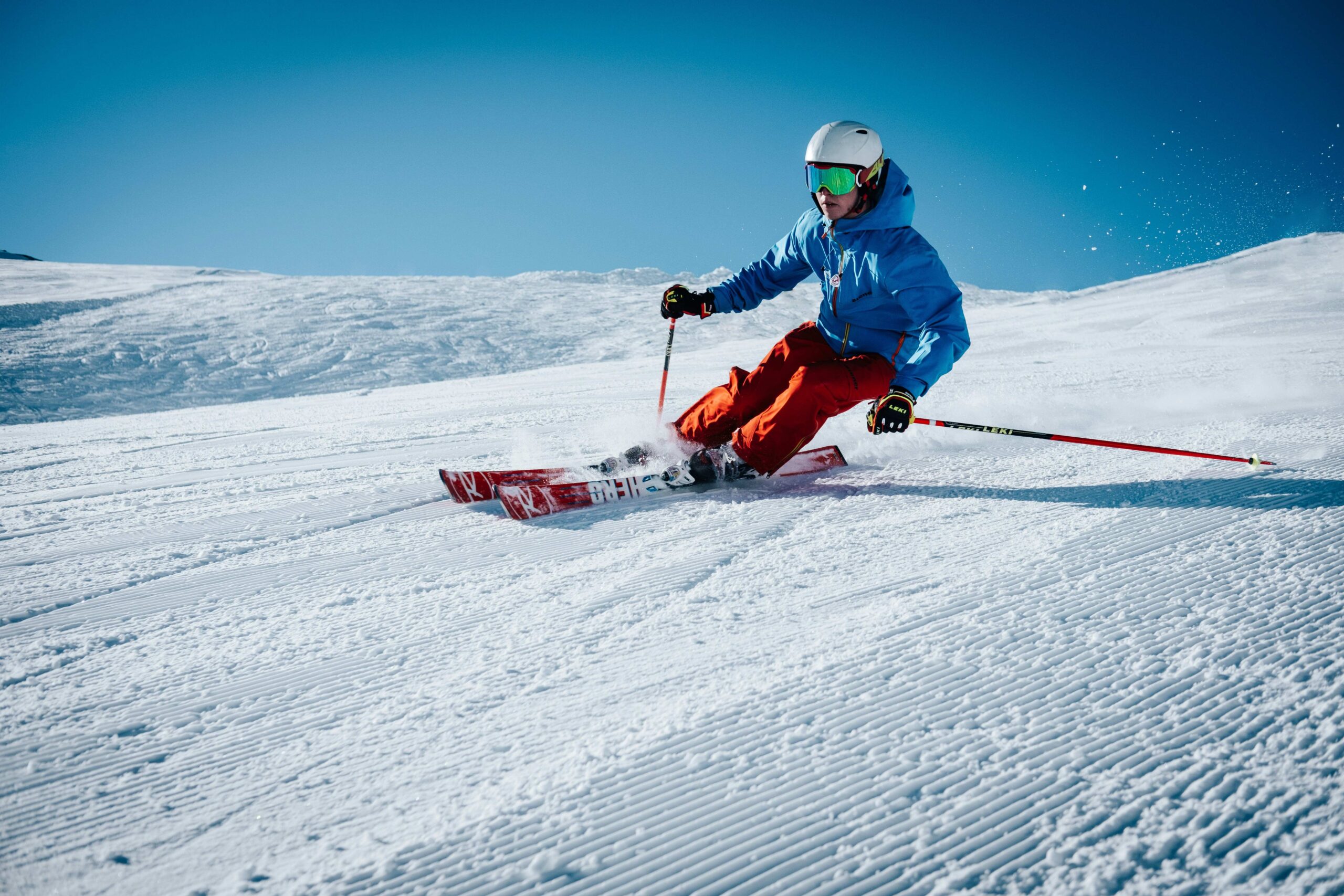
The best ski trip is one that feels well organized from the start. Before heading to the slopes, check the weather, lift schedules, and snow conditions so you can plan your day properly. This is especially useful in the mountains, where visibility and conditions can change more quickly than in lower-altitude destinations.
If you are new to the area or not a confident skier, consider hiring an instructor for at least half a day. Gstaad is a great place to improve technique because the overall environment feels calm and premium, which makes learning less stressful. Even experienced skiers benefit from a local guide if they want to discover the best runs and avoid wasting time on the mountain.
Try to start early in the morning. Skiing earlier often means better snow, fewer crowds, and a more relaxed rhythm for the rest of the day. After skiing, you can enjoy lunch, a spa treatment, or a slow afternoon in the village without feeling rushed.
7. Dining, Après-Ski, and Village Life
One of the pleasures of Gstaad ski season is that the village itself is as enjoyable as the slopes. Dining is a major part of the experience, and visitors can expect a polished selection of restaurants, hotel dining rooms, cafés, and intimate après-ski spaces. The atmosphere is generally more elegant and relaxed than loud or party-focused.
This makes Gstaad especially attractive to travelers who want sophistication rather than intensity. After a day on the mountain, many guests choose a long lunch, a wine pairing dinner, or a quiet drink in a stylish lounge. That slower pace fits the brand of the destination very well.
The village also offers opportunities for shopping, strolling, and enjoying the alpine setting without needing to ski all day. Non-skiers can still have a very satisfying winter holiday here because the atmosphere is so complete. In many ways, Gstaad is a destination where the lifestyle is just as important as the sport.
8. Tips for Families and Couples
Families traveling to Gstaad should focus on simplicity and convenience. Ski gear, child schedules, and winter clothing can easily make a trip feel complicated, so smooth transfers and well-located accommodation are important. Choosing a hotel with family-friendly services, easy access to the slopes, and flexible dining options can make the whole experience far easier.
Couples, on the other hand, often come to Gstaad for atmosphere, privacy, and shared relaxation. A scenic transfer, a quiet hotel, a spa session, and a well-planned dinner can turn a ski trip into a memorable escape. Gstaad works especially well for couples because it combines outdoor activity with a refined and intimate winter mood.
In both cases, planning matters. The more you simplify transport, bookings, and daily logistics, the more you can enjoy the actual experience. Gstaad is best when the trip feels effortless.
9. Budget and Value Considerations
Gstaad is widely known as a luxury destination, which means travelers should plan their budget carefully. Hotels, dining, transport, and ski services can be more expensive than in less exclusive alpine areas. That does not mean the trip is out of reach, but it does mean that advance planning can help you make better value decisions.
One smart approach is to decide where comfort matters most. Some travelers prefer to save on transport and spend more on accommodation. Others do the opposite, choosing a premium transfer and a simpler hotel or fewer restaurant splurges. The best approach depends on your priorities.
If you want the most value for a winter holiday, book early, compare accommodation types, and avoid last-minute decisions during the busiest weeks. That will help you secure better rates and a more comfortable overall experience.
10. How to Make the Trip Feel Seamless
A seamless Gstaad ski trip usually comes down to preparation. Book your transport in advance, arrange your accommodation before the season gets busy, and decide whether you will rent or bring your ski equipment. When the logistics are handled ahead of time, the holiday feels far more relaxed.
It is also worth building buffer time into your travel day. Winter conditions, luggage, and mountain routes can create delays, so a flexible schedule helps protect your experience. This is especially true if you are connecting from an airport or another Swiss city and want to arrive without stress.
Finally, keep your itinerary balanced. Do not try to cram too much into each day. Gstaad rewards a slower pace, where skiing, dining, rest, and scenery all have time to be enjoyed properly.
Planning a visit to Gstaad?
Enjoy a seamless and luxurious journey with our dedicated private limousine services.
FAQ: Gstaad Ski Season Travel Tips
1. When is the best time to visit Gstaad for ski season?
The best time is usually from December to March, with January and February often offering the most reliable winter conditions.
2. Is Gstaad suitable for beginner skiers?
Yes, Gstaad is a very good destination for beginners because it has a calm atmosphere and a comfortable ski environment.
3. Should I take the train or a private car to Gstaad in winter?
The train is scenic and practical, but a private car is often better if you have ski luggage, children, or want door-to-door comfort.
4. What should I pack for a Gstaad ski trip?
Pack warm layers, waterproof outerwear, gloves, ski socks, goggles, sunscreen, lip balm, and sturdy winter shoes.
Gstaad ski season is ideal for travelers who want a winter escape with style, comfort, and beautiful mountain surroundings. With the right planning, you can enjoy smooth transport, excellent skiing, refined dining, and a more relaxed alpine atmosphere.
For anyone seeking a polished Swiss winter experience, Gstaad is one of the best choices
Have you visited Gstaad during ski season? Share your experience in the comments below!.


